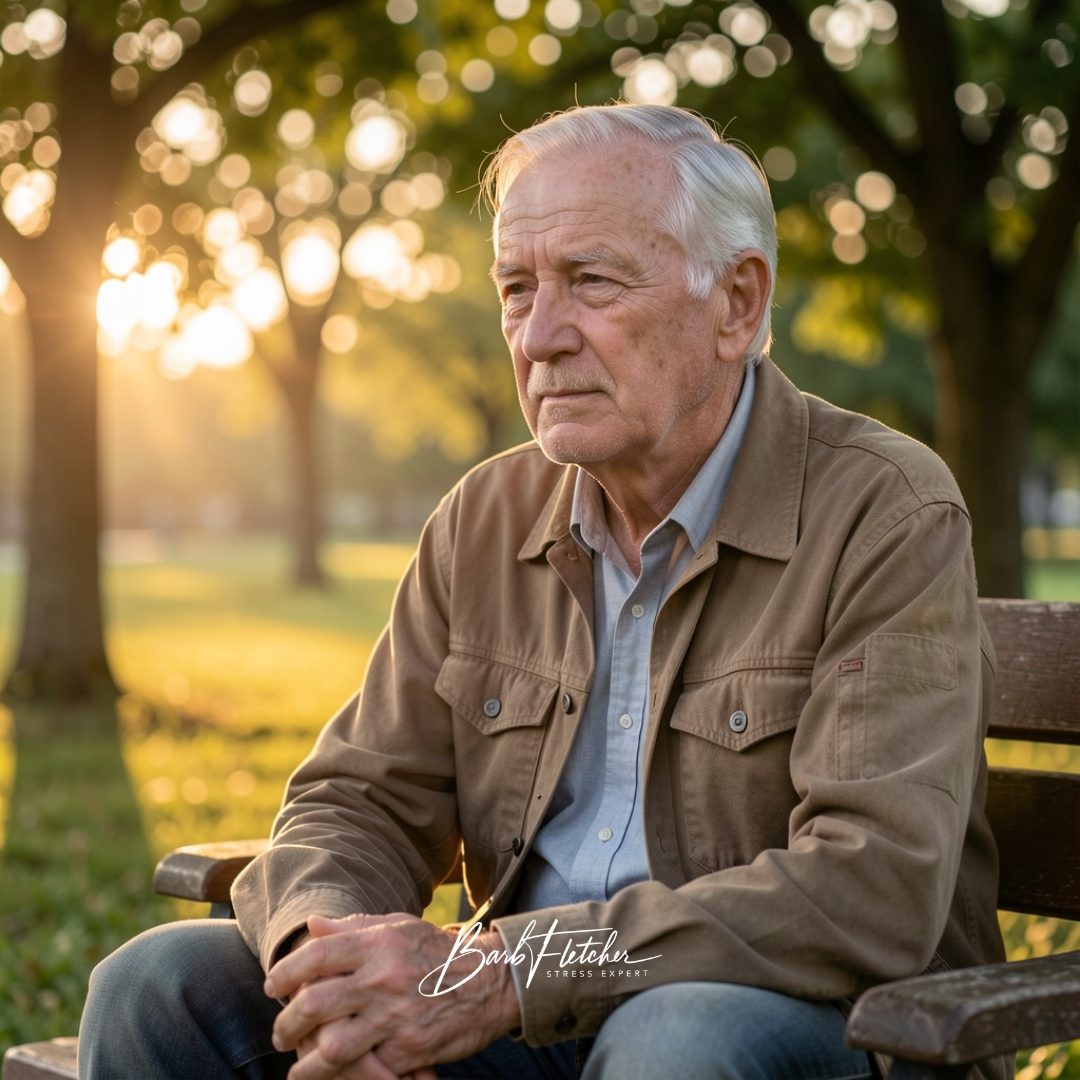
For many veterans, pressure does not end when service changes.
It changes shape.
The uniform may come off. The environment may shift. The structure may look different. But the internal habits that once helped you survive and perform do not always power down on command.
You stay prepared.
You stay responsible.
You scan for what could go wrong.
You push through.
You keep it together.
From the outside, that can look like strength.
And it is strength.
But sometimes it is also strain.
Because the mission mindset that once protected you can become a hard way to live when applied to every conversation, every relationship, every decision, and every quiet moment.
The pressure is not always coming from the world around you. Sometimes it is coming from the standards you still hold inside.
I should be able to handle it on my own.
Rest is weakness.
Do not let your guard down.
Keep moving.
That kind of self-talk can sound disciplined. But over time, it can become exhausting.
Stress is a signal, not a weakness.

Recognition: when the body stays on duty
Many veterans know what it feels like to live with a body that still acts like it has a job to do.
Even in safe moments, there can be tension. Vigilance. Irritability. Difficulty settling. Difficulty trusting quiet. A sense that relaxing all the way is not really available.
And because military culture often values endurance, self-control, and mission focus, it can be hard to notice when those strengths are being overused in civilian life.
You may stay productive.
You may take care of others.
You may even look successful.
Not just from life circumstances.
From the constant internal command to stay ready.
Normalization: this response makes sense
When a system has been trained by high stakes, it does not simply choose ease overnight.
That is not weakness.
That is adaptation.
The nervous system learns from repetition. If it has learned to stay activated, it will keep doing what it was trained to do until it is given another pattern to practice.
So if rest feels difficult, if self-talk is harsh, if calm feels unfamiliar, that does not mean something is wrong with you. It means your system has been doing its best to protect you.
The next step is not judging that response.
It is learning how to work with it.
The hidden cost of staying braced
Unmanaged pressure often shows up away from the obvious moments.
It can affect sleep, relationships, patience, mood, decision-making, and the ability to enjoy being present.
It can create a version of strength that is admired from the outside but lonely on the inside.
It can also narrow identity. When your value becomes tied to toughness, usefulness, or control, anything softer can feel unsafe.
But a life built only on survival habits is costly.
You may protect yourself from collapse, yet also from connection.
You may avoid weakness, yet also miss peace.

How pressure shows up in self-talk
Self-talk is one of the clearest places stress reveals itself.
When the nervous system is under strain, the inner voice often becomes blunt, demanding, and unforgiving.
Stop being affected.
Handle it.
Do not talk about it.
Keep moving.
That voice may once have helped you function. But what helps in one season can become a burden in another.
Strength is not only about pushing through.
Sometimes strength is recognizing when the old command no longer serves the life you want now.
Insight: coherence and the brain-body connection
HeartMath research describes the heart as being in constant two-way communication with the brain and notes that heart signals affect strategic thinking, reaction time, and self-regulation.
Negative states such as frustration, impatience, or anxiety are reflected in incoherent heart rhythm patterns, while renewing emotions such as appreciation, care, compassion, or kindness tend to create more coherent patterns.
That matters because it means regulation is not just mental. It is physiological.
When you slow the breath, bring attention to the heart area, and shift into a steadier emotional state, you are helping your system receive a different signal.
And different signals change response patterns over time.
Team coherence, belonging, and life after service
One thing many veterans miss is not only structure, but coherence, shared mission, trust, readiness, and belonging.
Healing rarely happens in isolation.
Supportive community, grounded connection, and emotionally safe relationships help the nervous system learn that it does not have to do everything alone anymore.
Possibility: what strength can look like now
What if strength now looked different than it did before?
What if strength meant noticing the body before it escalates?
What if strength meant choosing balanced care instead of constant bracing?
What if strength included self-compassion?
That is not softness in the weak sense.
That is maturity.
That is integration.
That is resilience.
Coherence is a superpower.
Because it helps transform survival energy into steady presence.
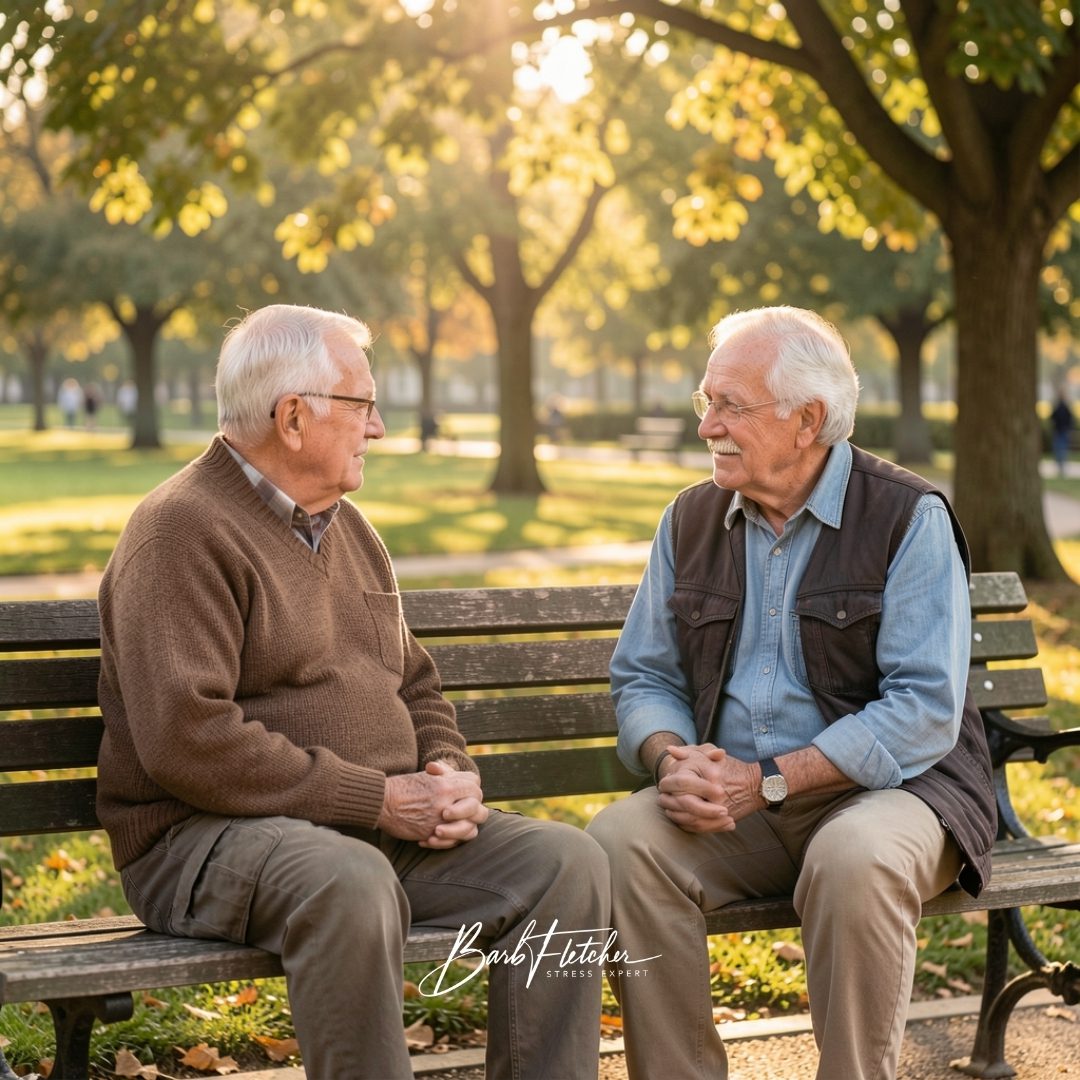
A practice for the moment pressure rises
When you notice the internal command voice getting louder, try this:
Pause.
Slow your breathing.
Bring attention to the center of the chest.
Let the jaw soften.
Then ask: What would strength look like here if I did not have to prove it?
That question often opens more space than force ever does.
Understanding and Managing Invisible Stress
Many veterans continue carrying invisible pressure long after the outer mission has changed.
The cost can show up in sleep, relationships, reactivity, isolation, and the loss of ease.
Stress is not a weakness. It is a signal from the nervous system asking for attention.
If this speaks to you, the first step is understanding your own stress patterns, self-talk, and internal pressure with honesty and compassion.
You can begin with the Stress & Wellbeing Assessment, book a discovery conversation, or explore coaching to build steadier resilience, deeper recovery, and a new relationship with strength.

Comment