
When You’re Always On Guard
There is a moment many people recognize, even if they have never named it.
You are sitting at the kitchen table. The house is quiet. Nothing is wrong. And yet, your shoulders are tight. Your jaw is clenched. Your breathing is shallow. Your body is braced, like something is about to happen.
You tell yourself to relax. You tell yourself you are safe. But your system does not listen.
This is what it feels like to be always on guard.
For many veterans, first responders, caregivers, and high-performing professionals, this state becomes so familiar that it fades into the background. It just feels like normal life. But normal does not always mean healthy.
Living in a Constant State of Readiness
When you have spent years training your body and mind to respond instantly, vigilance becomes a skill. Being alert keeps you alive. Reading a room matters. Staying prepared is responsible.
The challenge comes when the mission never stands down.
Over time, the nervous system forgets how to shift gears. It stays in a low-grade state of readiness even when there is no immediate threat. This is not a failure of character. It is physiology doing what it learned to do well.
Stress is a signal, not a weakness.
The body is not betraying you. It is communicating.
People often tell me, “I don’t feel anxious. I’m just tired all the time.” Or, “I don’t think I’m stressed. I just can’t shut my brain off.” Or, “I’m fine at work, but at home I snap over nothing.” Do you hear these words?
These are not personality flaws. These are signs of a nervous system that has been on duty for too long.

When Guarding Becomes Your Baseline
One of the most common realizations people have in coaching is this: they did not know how tense they were until they felt something different.
I often hear reflections like:“I didn’t realize how loud my body felt until it quieted down.”
“This is the first time in years I’ve felt settled without being exhausted.”
“I didn’t know calm could feel this clear.”
These moments matter. They tell us that calm is not something you lost. It is something your system has not accessed in a long time.
When the nervous system stays activated, the heart rhythm becomes irregular. Breathing speeds up. Muscles stay engaged. Thinking narrows. The body conserves energy by staying on alert, but that alertness comes at a cost.
Sleep becomes lighter. Recovery takes longer. Patience runs thin. Relationships feel harder.
Being on guard protects you, until it starts to block connection.
Why “Just Relax” Does Not Work
Many people try to think their way out of stress. They use logic. They minimize. They push through.
The problem is that the nervous system does not reset through willpower.
It resets through rhythm. Through breath. Through signals from the heart to the brain that say, “You are safe enough right now.”
This is where coherence comes in.
Coherence is a superpower.
Coherence is a state where the heart, brain, and nervous system communicate efficiently.
When the heart rhythm becomes smooth and ordered, it sends calming signals upward.
Thinking becomes clearer. Emotions stabilize. The body shifts out of defense and into repair.
This is not about pretending everything is fine. It is about giving the system a new reference point.

Learning to Lower the Shield Without Losing Strength
One of the biggest fears people have is that if they let their guard down, they will lose their edge. They worry they will become passive, careless, or unmotivated.
The opposite is true.
When the nervous system is regulated, performance improves. Focus sharpens. Decision-making gets cleaner. Recovery accelerates.
People often tell me after practicing coherence, “I’m still decisive, but I’m not reactive.” Or, “I have more patience without feeling flat.” Or, “I didn’t know I could feel steady and alert at the same time.”
Life can be easier than we’ve been taught.
Strength does not require constant tension. Readiness does not require chronic stress.
A Small Practice That Creates a Big Shift
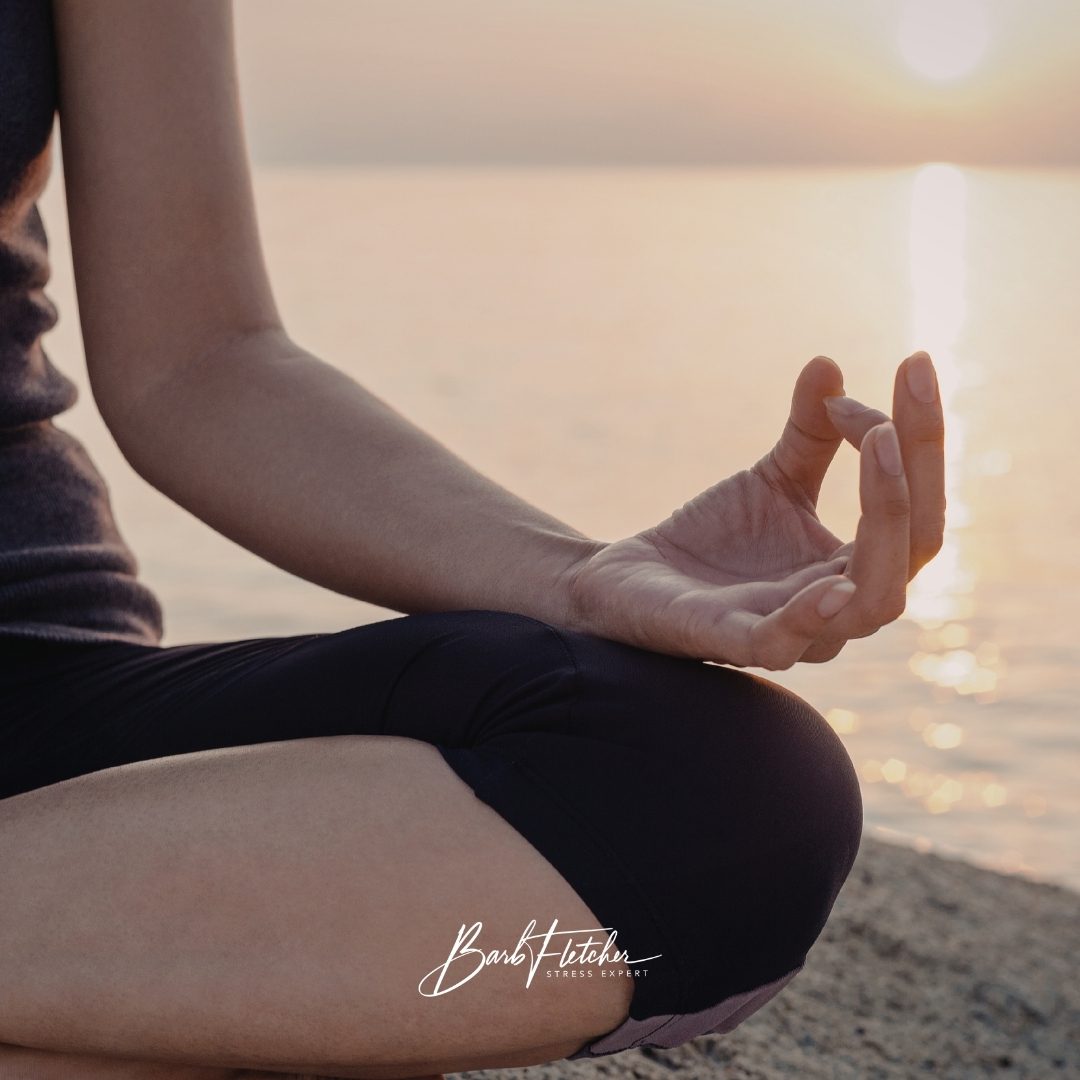
One of the simplest ways to begin lowering the guard is through heart-focused breathing.
Here is a place to start:
- Gently shift your attention to the area of your heart.
- Slow your breathing, just a little.
- Imagine the breath flowing in and out through your chest.
After a few breaths, bring to mind something that evokes ease. A place. A pet. A moment in nature. Not a person. Something uncomplicated.
Stay with that feeling for 30 to 60 seconds.
That is enough to begin changing the signal your heart sends to your brain.
You are not forcing calm. You are allowing regulation.
The Real Work Is Learning to Notice
What changes first is not always dramatic. Sometimes it is subtle.
Your shoulders drop. Your breath deepens. Your thoughts slow down just enough to notice you were rushing.
These are wins.
Awareness is the first step. When you can notice your inner weather, you gain choice. You can stay where you are, or you can shift.
You are not broken. Your system is doing its best with the patterns it knows.
With practice, coherence becomes familiar. Calm becomes accessible. Guarding becomes optional rather than automatic.
A Closing Thought
If you have lived a life that required vigilance, your nervous system deserves respect, not criticism.
There is nothing wrong with you for being on guard. It kept you going. It kept you safe. And now, it may be time to teach your system that safety can include rest.
You do not have to drop your armor all at once. You can set it down, just for a moment. Long enough to breathe. Long enough to reset.
That is where recovery begins.

Comment